In praise of gold putti
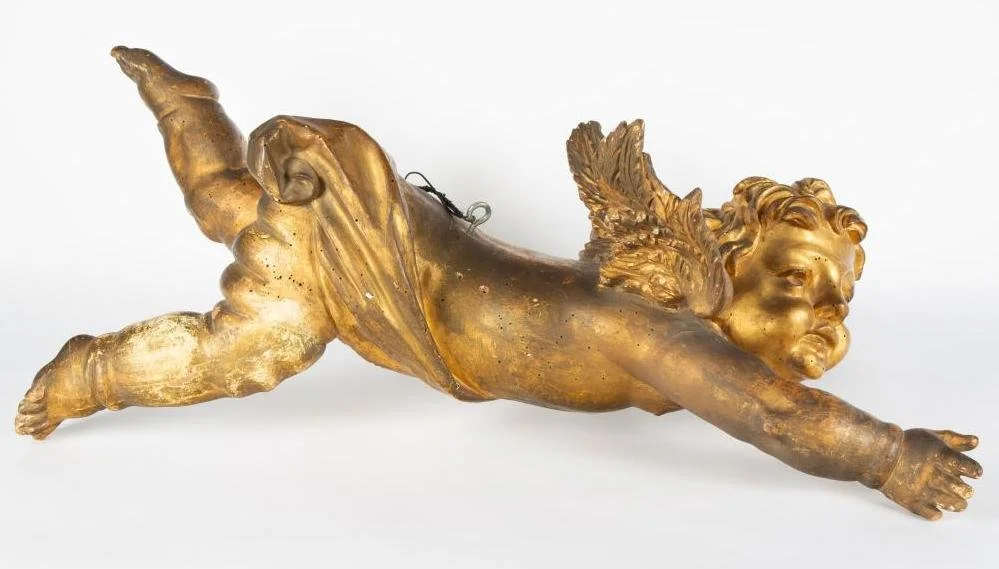
An 18th Century Baroque Wood Putto sold at Shapiro Auctions
For some reason, I am fascinated with antique gilded wood (or giltwood) putti in the Baroque style, which usually originate from South Germany or Italy. As essentially gilded toddlers with wings, putti (or cherubs) can be whimsical and cute while still remaining part of a lofty neoclassical tradition; they hold that apparent contradiction.
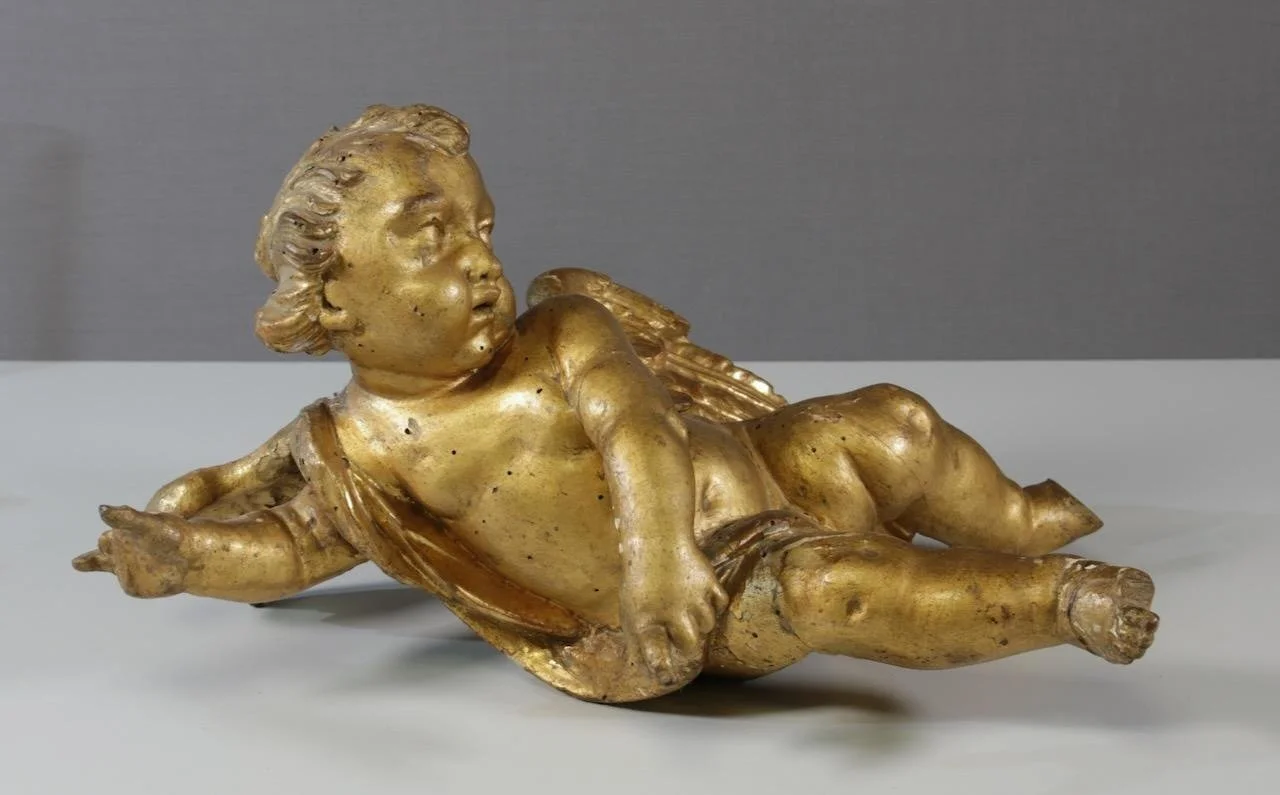
A cherub who looks like he’s stealing second base
The best ones reflect the sculptor’s particular attention to naturalistic details, the folds and rolls of baby fat present on wrists, ankles and rumps. Their combination of pudginess and tiny wings seems to belie the possibility of flight, yet we have the distinct sense that they defy physics and physiognomy alike and do possess the ability to fly, similar to bumblebees.
Yet by virtue of being coated in gold, they are also ennobled, their status enforced by their frequent presence in religious art, carrying the Virgin Mary aloft or gazing down at Christian saints.
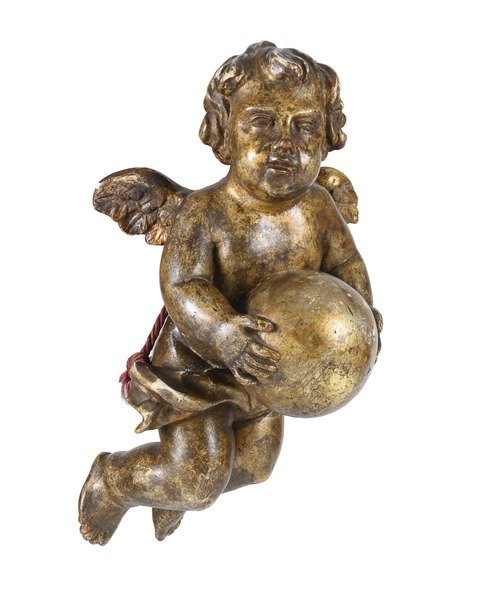
Continuing the sporting theme, an18th C Italian putto looking like he’s ready to dunk on you.
Another selling point to carved cherubs is their 3D dynamism. They are very much in motion with extravagant gestures, punching the air like Superman, knees bent to give them upward thrust, toes pointed for aerodynamics. As such, they lend energy to physical space. We prefer to hang ‘em high, similar to how you’d encounter them in a cathedral, up toward the ceiling. Two-story living rooms or rooms with high ceilings are ideal for this purpose, or if your room is of more standard height, at least go up seven feet. Some giltwood antique putti are made flat, in which case they can be mounted easily on a wall.
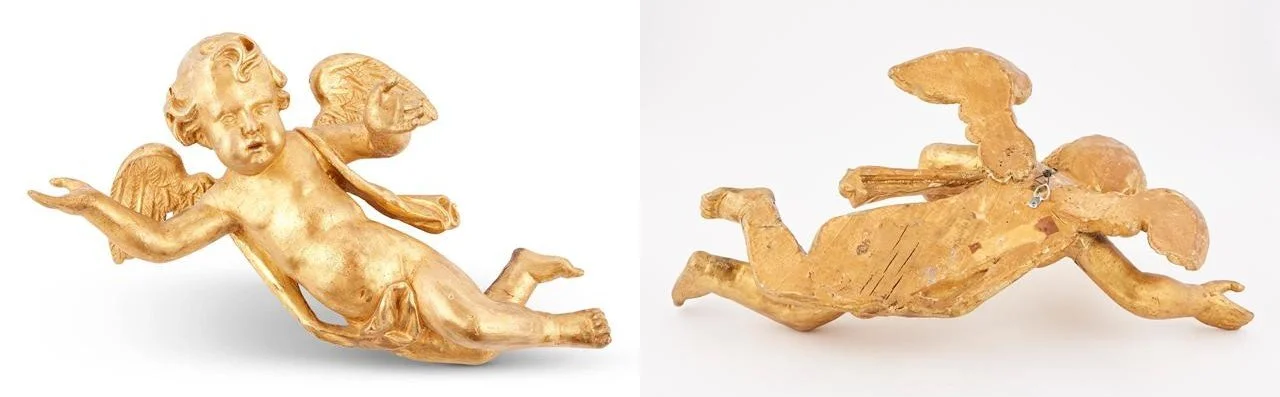
A gilded cherub with flat back for wall mounting
Others are sculpted entirely in the round and look like gold baby chandeliers, in which case you can suspend them right from the ceiling joists. Maybe less practical but also more stunning.
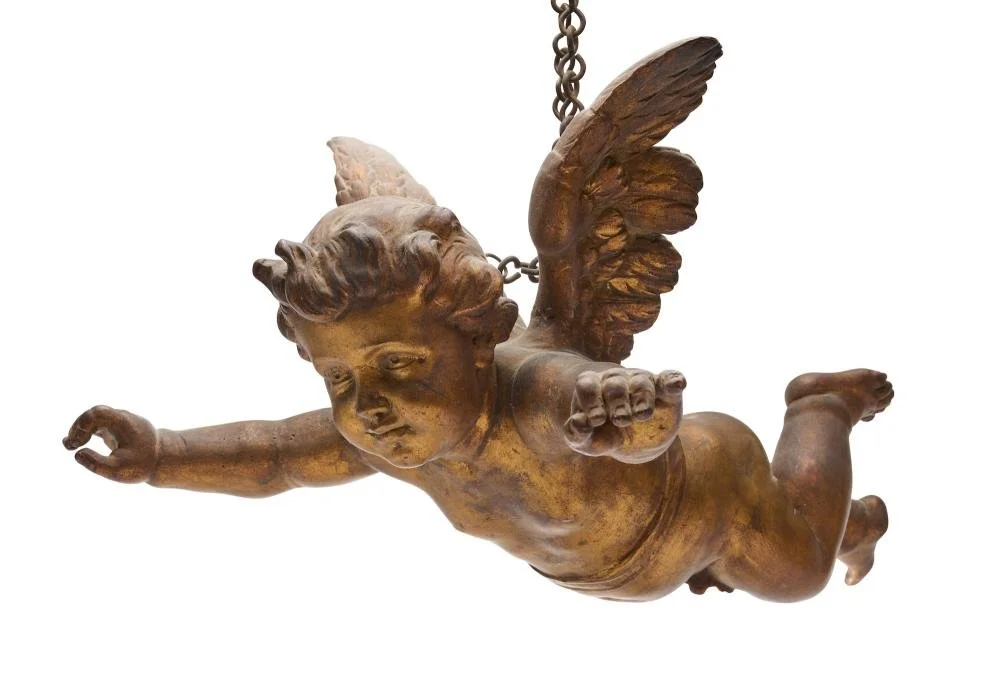
A late 18th/early 19th C cherub skydiving before skydiving was a thing
Should you be so inclined to purchase a putto of you own (and you should be), here are some tips to consider based on our experience.
1. Get the largest one you can afford and that fits your decor application.
Frankly, the small ones are too reminiscent of Christmas ornaments, so we are partial to ones that are at least 20 inches (25 cm). You want to lean into the impressiveness of having a gold thing with wings on your wall or hanging from your ceiling, so go big or go home.
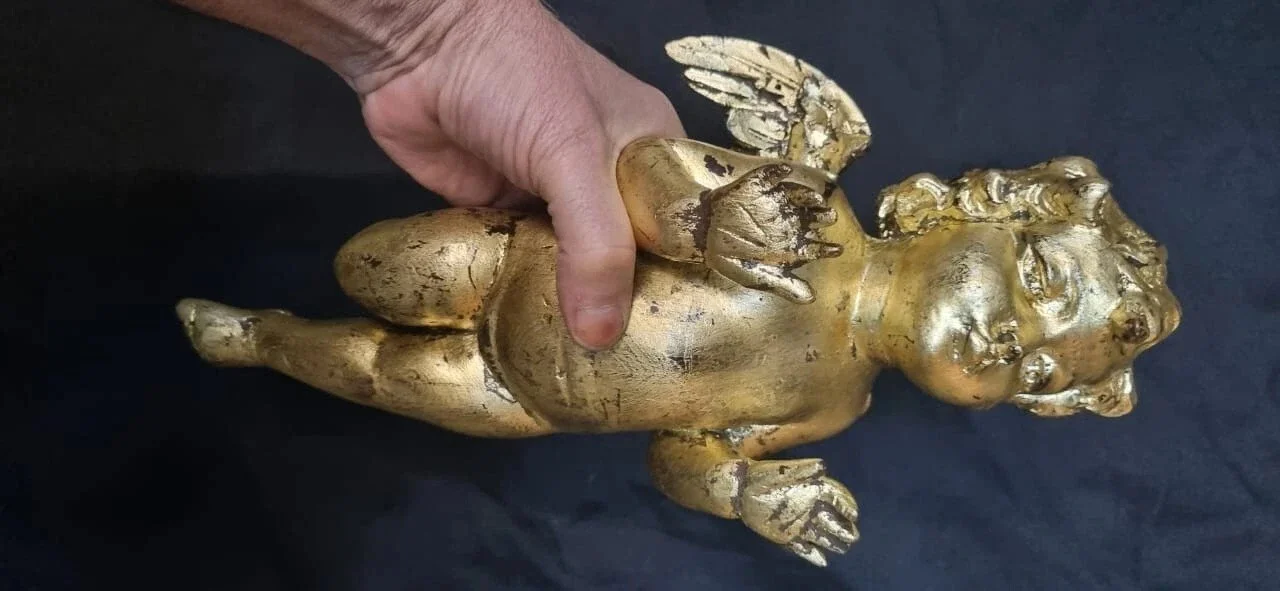
Slightly too small for our taste
2. Get them in pairs if it works for how you want to display them.
Everyone needs a friend, and two putti are better than one, offering opportunities for interaction. Fortunately, cherubs were often paired in European church sculpture, so you’ll have no shortage of duos available at auction.

The author between two gilded cherubs with nicer hair.
As a bonus they are usually slightly different from one another (fraternal twins preferable to identical in this case) and oriented in such a way that they can be mounted facing one another, and thus also frame something in between them if you so desire. In ecclesiastical settings there might have been a Latin banner between them or the roof of a creche.
On occasion, you may even find three or more for sale should you want to amp up your cherub quotient even more.
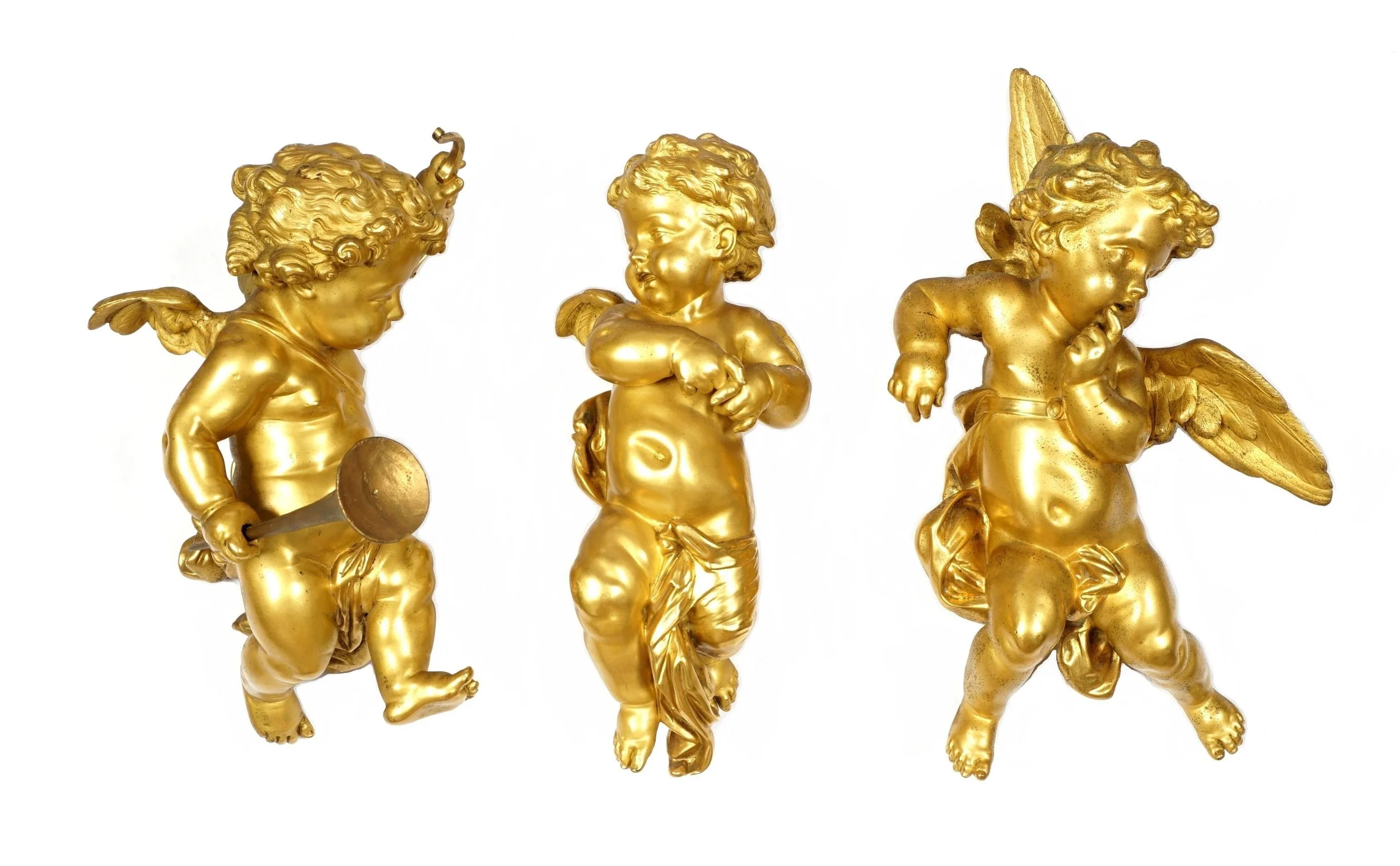
A rare trio of antique putti sold at auction
3. Go older
If your flying toddler is a few hundred years old, the greater artistic skill of the past will be more evident, combined with enhanced character due to wear and age. People will pay a premium for items that are distressed though, so an 18th-century gilded cherub will cost you more than one from the 1930s, but it’s worth it in most cases. They look more neoclassical because, well, they were made during the neoclassical period. Their dings alongside some loss of gilding makes them appear more interesting too.
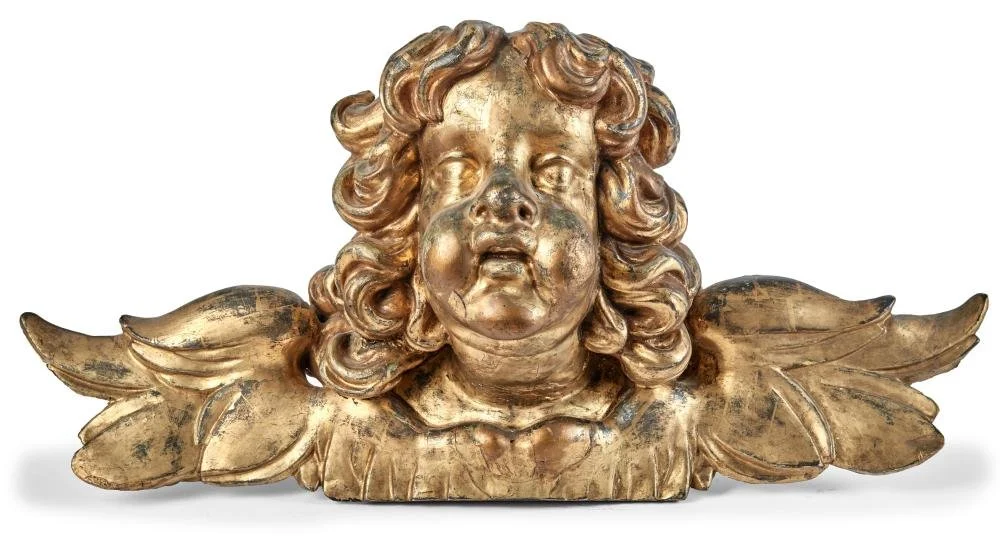
18th-century cherub head with some wear character
4. Get ones with faces you like
Now this is a shortcoming of many putti from the distant past. Some of them, frankly, have unappealing faces or appear evil AF. Some are warped due to deficiencies in the carver’s art (true of any era) or the limitations of a certain piece of wood available to them.
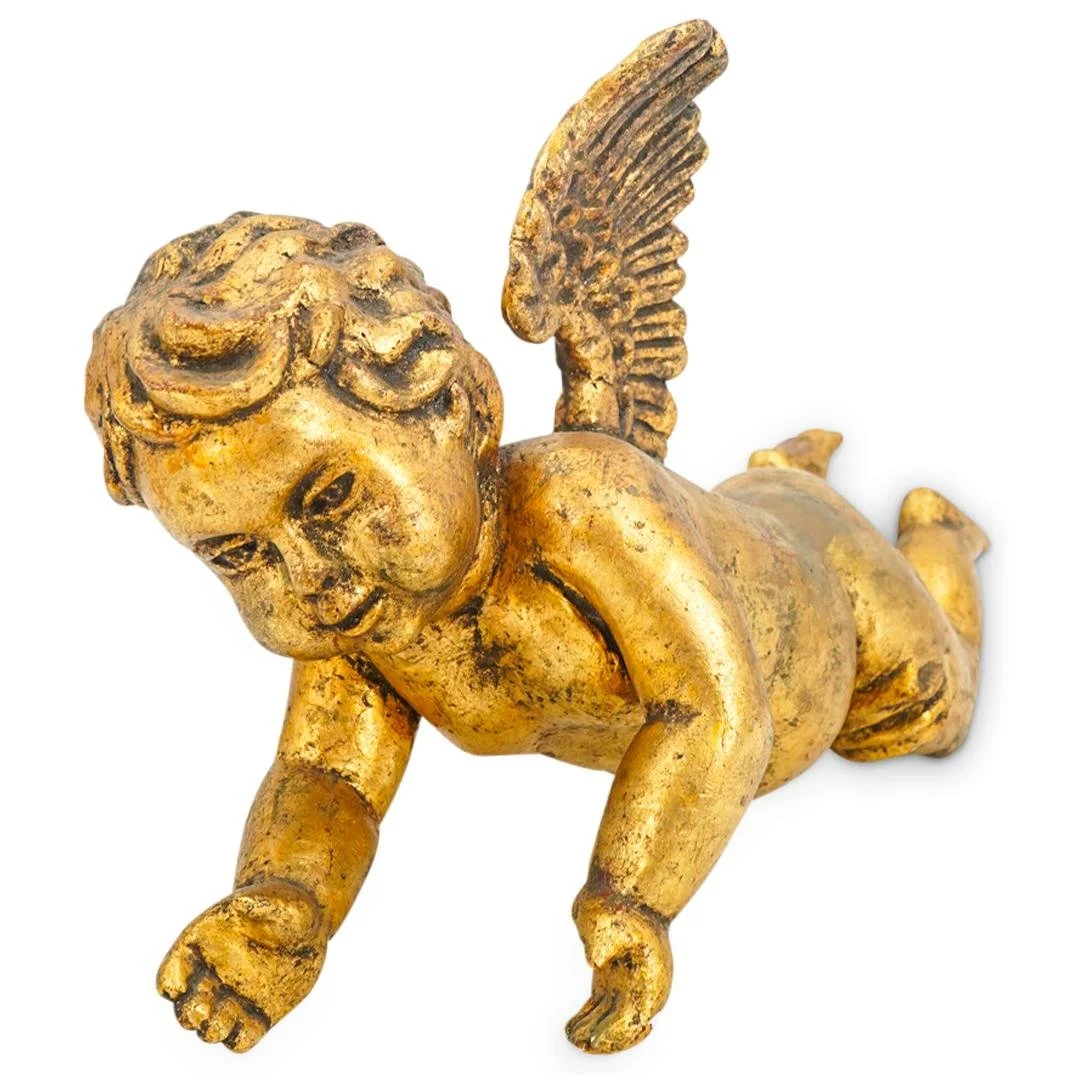
The Chucky of cherubs
Not to be shallow, but realize that you have to look at this piece of art in your house every day, so buy one that speaks to you, but don’t be afraid of rejecting those that look like your drunken uncle or like they want to kill you.
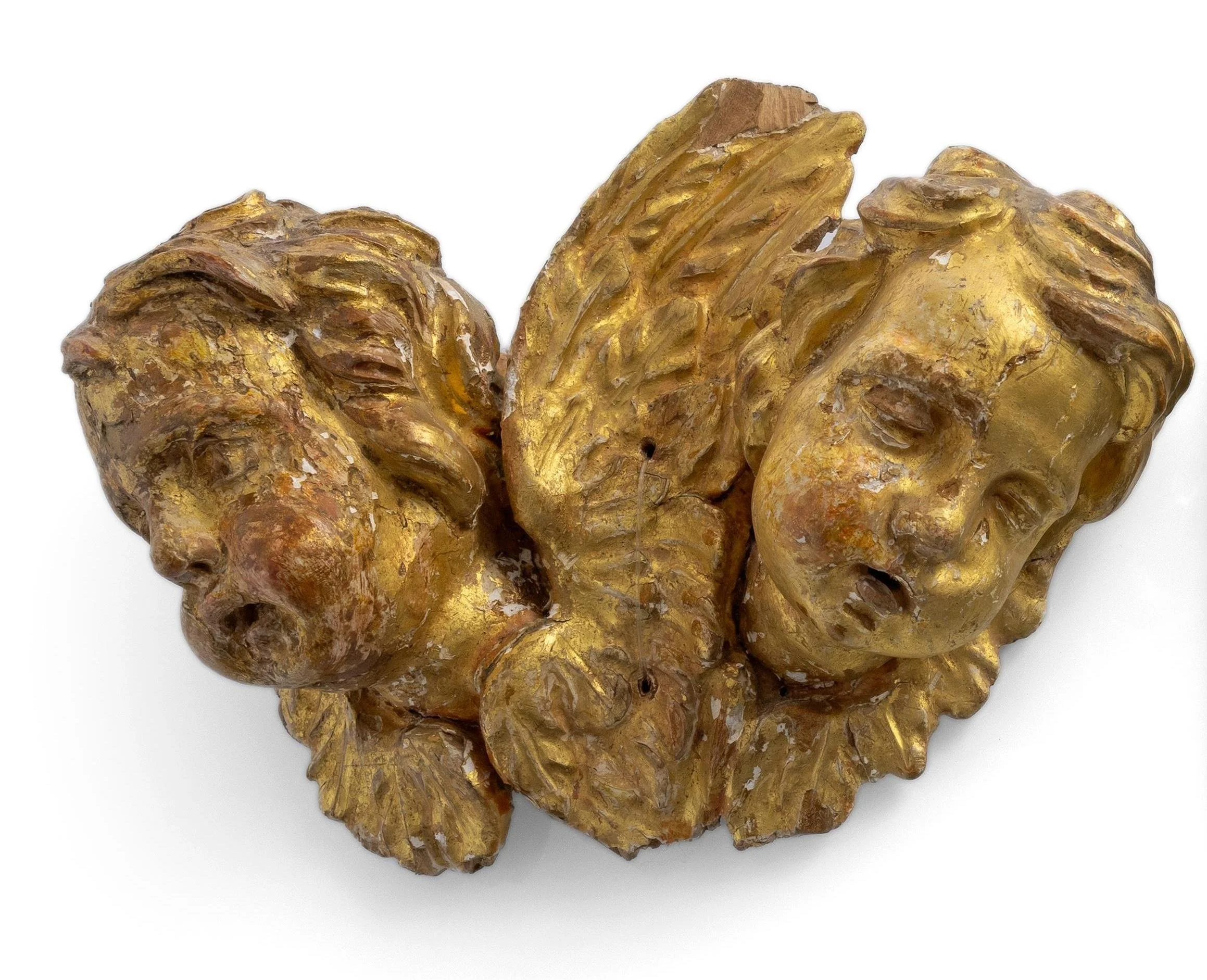
One’s about to pass out and the other about to vomit
5. Get one with wings
Lastly, since you specifically want putti and not just toddlers, ideally get ones with wings. Some unwinged ones, like those below, are really quite lovely, but it always feels like they’re missing something, and you’ll likely say to yourself, “I wish they had wings.”
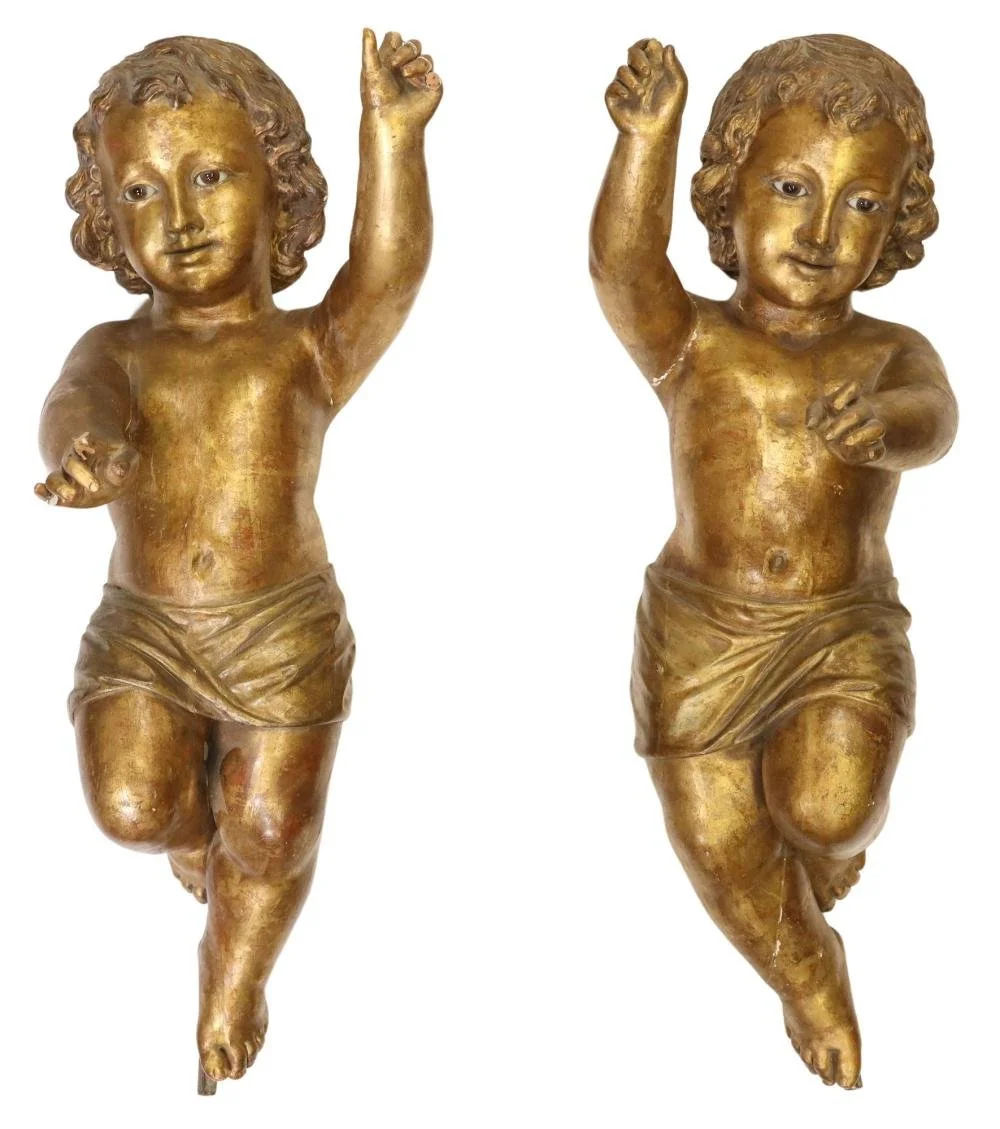
Slightly more mature-looking 18th-C putti sans wings
All told, for Baroque flavour and a work of art that is guaranteed to add character and conversation to your home, try an antique giltwood cherub or two. Whether you admire them for their artistic detail, their ecclesiastical gravitas, or their delightful absurdity, these golden toddlers with wings will add a unique design element to your home.